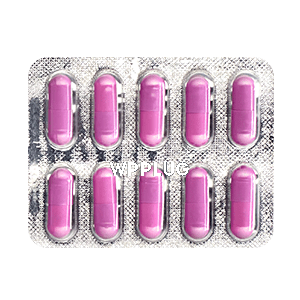
| Product dosage: 150mg | |||
|---|---|---|---|
| Package (num) | Per pill | Price | Buy |
| 30 | $1.43 | $43.05 (0%) | 🛒 Add to cart |
| 60 | $1.22 | $86.10 $73.08 (15%) | 🛒 Add to cart |
| 90 | $1.17 | $129.15 $105.12 (19%) | 🛒 Add to cart |
| 120 | $1.13 | $172.20 $136.16 (21%) | 🛒 Add to cart |
| 180 | $1.09 | $258.30 $196.23 (24%) | 🛒 Add to cart |
| 270 | $1.07
Best per pill | $387.45 $289.33 (25%) | 🛒 Add to cart |
| Product dosage: 300mg | |||
|---|---|---|---|
| Package (num) | Per pill | Price | Buy |
| 30 | $1.60 | $48.06 (0%) | 🛒 Add to cart |
| 60 | $1.38 | $96.11 $83.10 (14%) | 🛒 Add to cart |
| 90 | $1.31 | $144.17 $118.14 (18%) | 🛒 Add to cart |
| 120 | $1.27 | $192.22 $152.17 (21%) | 🛒 Add to cart |
| 180 | $1.24 | $288.33 $223.26 (23%) | 🛒 Add to cart |
| 270 | $1.21
Best per pill | $432.50 $326.38 (25%) | 🛒 Add to cart |
Synonyms | |||
More info:
Clindamycin: Potent Antibiotic for Anaerobic and Gram-Positive Infections - Evidence-Based Review
Clindamycin is a lincosamide antibiotic derived from lincomycin, first isolated from Streptomyces lincolnensis in the 1960s. It’s available in oral capsules, topical solutions/gels, vaginal creams/ovules, and injectable formulations. The drug works by binding to the 50S ribosomal subunit, inhibiting bacterial protein synthesis. We initially thought it was just another macrolide alternative, but its unique anaerobic coverage and bone penetration made it indispensable for certain infections. I remember our infectious disease team debating whether to include it in our hospital’s formulary back in 2010 - some argued resistance patterns were worsening, while others pointed to its irreplaceable role in treating aspiration pneumonia and pelvic infections.
Bactrim: Potent Antibacterial Protection Against Resistant Infections - Evidence-Based Review
Bactrim, known generically as trimethoprim-sulfamethoxazole, is a fixed-dose combination antibiotic that has been a workhorse in clinical practice for decades. It combines two antimicrobial agents that work synergistically to block sequential steps in bacterial folate synthesis. What’s fascinating is how this old drug keeps finding new relevance—we’re using it for everything from routine urinary tract infections to managing Pneumocystis jirovecii pneumonia in immunocompromised patients. The real clinical art lies in knowing when to reach for it versus when newer agents might be better suited.
benzac
Benzoyl peroxide 5% gel, a topical antimicrobial and comedolytic agent, represents one of the most thoroughly studied and clinically validated treatments for acne vulgaris. As a consultant dermatologist who’s prescribed this formulation for over fifteen years, I’ve watched it evolve from a first-line monotherapy to a cornerstone of combination regimens. The real breakthrough came when we stopped viewing it as just a “drying agent” and started appreciating its multifaceted mechanism against Cutibacterium acnes colonization and follicular hyperkeratinization.
benzoyl
Benzoyl peroxide represents one of those foundational dermatologic agents that somehow manages to remain both profoundly effective and consistently misunderstood. When I first started in dermatology twenty-three years ago, we had this almost simplistic view of benzoyl peroxide - just throw it at inflammatory acne and wait for results. But over two decades of clinical practice has taught me the molecule’s fascinating complexities, from its oxygen-dependent bactericidal mechanism to its paradoxical irritation profile that actually teaches us valuable lessons about patient-specific skincare approaches.
cleocin
Clindamycin, marketed under the brand name Cleocin, represents a critical linchpin in our antimicrobial arsenal, particularly when facing anaerobic and Gram-positive bacterial pathogens. This lincosamide antibiotic, derived from lincomycin, has been a workhorse in clinical practice since the 1970s, yet its nuanced applications and resistance patterns continue to shape contemporary infectious disease management. I remember first encountering its distinctive pharmacokinetic profile during my residency—the way it concentrated in bone, abscesses, and phagocytes seemed almost too good to be true for our orthopedic and surgical cases.
Differin: Clinically Proven Acne Treatment and Skin Renewal - Evidence-Based Review
Adapalene, marketed under the brand name Differin, represents a significant advancement in topical retinoid therapy, specifically formulated as a 0.1% gel, cream, or lotion for the treatment of acne vulgaris. Originally available only by prescription, its FDA approval for over-the-counter use in 2016 democratized access to a potent retinoid that modulates skin cell turnover and reduces inflammation. Unlike earlier retinoids, Differin offers a favorable balance between efficacy and tolerability, targeting multiple pathogenic factors in acne without the extreme irritation historically associated with vitamin A derivatives.
flagyl er
Flagyl ER (extended-release metronidazole) is an antimicrobial medication belonging to the nitroimidazole class, specifically formulated as a 750 mg once-daily tablet for sustained systemic delivery. It’s primarily indicated for bacterial vaginosis in non-pregnant women and certain protozoal infections, representing a significant advancement over immediate-release formulations by improving adherence through simplified dosing. The extended-release matrix allows for prolonged therapeutic concentrations with fewer gastrointestinal side effects—something we’ve observed consistently in clinical practice.
keflex
Cephalexin, marketed under the brand name Keflex among others, is a first-generation cephalosporin antibiotic belonging to the beta-lactam class. It’s a bactericidal agent that interferes with bacterial cell wall synthesis, making it particularly effective against a range of Gram-positive and some Gram-negative organisms. In clinical practice, we’ve been using cephalexin for decades—it’s one of those workhorse antibiotics that every clinician should have in their toolkit, though its utility has evolved with changing resistance patterns.
Lincocin: Potent Gram-Positive Antibiotic Therapy - Evidence-Based Review
Product Description: Lincocin represents a significant advancement in antimicrobial therapy, specifically indicated for serious Gram-positive bacterial infections where penicillin is contraindicated or ineffective. As lincomycin hydrochloride, this lincosamide antibiotic requires careful clinical consideration due to its specific spectrum and potential adverse effects. What’s particularly interesting is how its mechanism differs fundamentally from macrolides despite similar indications - something I’ve seen play out dramatically in clinical practice. 1. Introduction: What is Lincocin?