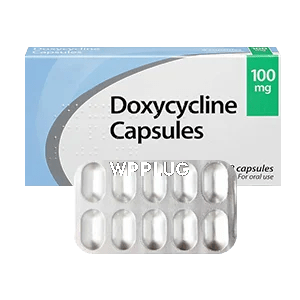
Doxycycline is a broad-spectrum tetracycline-class antibiotic derived from oxytetracycline. It’s one of those workhorse medications that every clinician ends up reaching for regularly, but its true depth often gets overlooked in the rush of daily practice. What makes doxycycline particularly valuable isn’t just its antimicrobial coverage but its unique pharmacokinetic profile that allows for convenient dosing and generally good tolerability compared to earlier tetracyclines. I’ve been prescribing this agent for over fifteen years across various clinical settings, from busy urban emergency departments to remote tropical medicine clinics, and I’m still discovering new nuances about its applications.
Amoxicillin, a broad-spectrum aminopenicillin antibiotic, fundamentally changed how we approach bacterial infections when it first entered clinical practice. I remember my pharmacology professor slamming his hand on the lectern back in ‘98, saying “This is the workhorse, people - don’t overthink it, but don’t underestimate it either.” He was right - amoxicillin’s beta-lactam structure with that extra amino group gives it better oral absorption than plain penicillin, which matters tremendously in real-world patient compliance.
Biaxin, known generically as clarithromycin, is a macrolide antibiotic with a well-established role in treating various bacterial infections. It’s not a dietary supplement or medical device but a prescription medication that interferes with bacterial protein synthesis, making it effective against respiratory tract infections, skin infections, and Helicobacter pylori-associated ulcers. Its extended-spectrum activity and good tissue penetration have made it a go-to option in both outpatient and inpatient settings. 1. Introduction: What is Biaxin?
Cefixime is a third-generation cephalosporin antibiotic belonging to the beta-lactam class, specifically designed for oral administration. It’s structurally characterized by an oxime group in its side chain, which grants it enhanced stability against beta-lactamase enzymes produced by many resistant bacteria. This antibiotic has been a workhorse in clinical practice since the 1980s, particularly valuable for its broad-spectrum activity against common pathogens while maintaining the convenience of oral dosing. Unlike earlier cephalosporins, cefixime demonstrates excellent activity against Gram-negative organisms including Haemophilus influenzae, Moraxella catarrhalis, and Neisseria gonorrhoeae, while maintaining good coverage against many Gram-positive organisms except methicillin-resistant Staphylococcus aureus.
Cefuroxime axetil, marketed under the brand name Ceftin, represents a critical second-generation cephalosporin antibiotic available in both oral tablet and suspension formulations. Its development in the 1980s addressed a significant gap in outpatient management of moderate bacterial infections, particularly those involving beta-lactamase producing organisms that rendered earlier penicillins ineffective. The prodrug design of cefuroxime axetil enhances oral bioavailability, making systemic cephalosporin therapy feasible outside hospital settings. For healthcare providers, Ceftin remains a workhorse antibiotic for respiratory, skin, and urinary tract infections, especially when penicillin allergies or resistance patterns dictate alternative therapy.
Cefuroxime axetil, commonly known by its trade name Cenmox, represents a second-generation cephalosporin antibiotic with a well-established position in antimicrobial therapy. What makes this particular formulation clinically interesting isn’t just its broad-spectrum coverage, but the clever prodrug design that significantly enhances its oral bioavailability compared to earlier cephalosporins. We’ve been using this agent in various clinical settings for decades now, and its utility persists despite the emergence of newer antibiotics.
Cephalexin is a first-generation cephalosporin antibiotic that’s been in clinical use since the 1970s, yet remains remarkably relevant in today’s antimicrobial landscape. What’s fascinating about this workhorse antibiotic isn’t just its broad-spectrum coverage against common pathogens, but how its pharmacokinetic profile makes it uniquely suited for outpatient management of infections that might otherwise require hospitalization. I’ve watched this drug evolve from being just another antibiotic in our arsenal to becoming the go-to choice for certain infections where we need reliable coverage without the complications of broader-spectrum agents.
Chloramphenicol remains one of those fascinating antibiotics that every infectious disease specialist has a complicated relationship with. I remember pulling it for a meningitis case during my residency - the pharmacy director actually came down to verify the order personally. That’s how significant this drug is. It’s a broad-spectrum bacteriostatic antibiotic originally isolated from Streptomyces venezuelae back in 1947, though most formulations today are synthetic. What makes chloramphenicol so clinically valuable, and simultaneously concerning, is its exceptional ability to penetrate tissues where other antibiotics struggle - the central nervous system, the eye, intracellular spaces.
Hydroquinone 4% with kojic acid and retinol - honestly, when this formulation first crossed my desk back in 2018, I was skeptical. Another hyperpigmentation cream claiming to be revolutionary while recycling the same old ingredients. But what struck me was the specific concentration ratios and the encapsulation technology they’d developed to stabilize the hydroquinone. The formulation team had apparently spent two years working on preventing oxidation during storage - something that plagues most hydroquinone preparations.