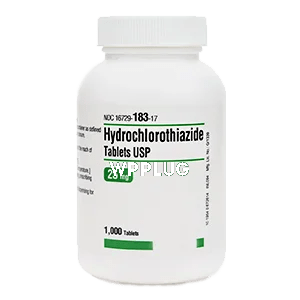
Hydrochlorothiazide is one of those foundational medications we’ve been using for decades, yet I still find myself explaining its nuances to residents who think newer always means better. It’s a thiazide diuretic, been around since the late 1950s, and remains a first-line treatment for hypertension despite all the fancy new drugs that come and go. What’s fascinating is how this simple molecule continues to surprise us - we’re still uncovering new aspects of its mechanism and applications even now.
Aleve is the brand name for naproxen sodium, a nonsteroidal anti-inflammatory drug (NSAID) available over-the-counter and by prescription. It belongs to the same therapeutic class as ibuprofen but offers longer-lasting relief, typically providing up to 12 hours of pain control per dose. As a prostaglandin synthesis inhibitor, it fundamentally alters the inflammatory cascade at a biochemical level, making it a cornerstone in managing acute and chronic pain conditions. Key Components and Bioavailability Aleve The active pharmaceutical ingredient is naproxen sodium at 220 mg per tablet/caplet in OTC formulations.
Alfacip is a pharmaceutical-grade formulation of alfacalcidol, which is a vitamin D analog specifically designed for patients with impaired renal function. Unlike regular vitamin D supplements, it’s activated and doesn’t require hydroxylation in the kidneys, making it particularly valuable in nephrology and endocrinology practice. We started using it back in 2018 when our renal unit was struggling with persistent secondary hyperparathyroidism in stage 4 CKD patients despite conventional calcitriol therapy.
Avalide represents one of those interesting cases in hypertension management where we essentially combined two established antihypertensives - irbesartan and hydrochlorothiazide - into a single tablet. What’s fascinating isn’t just the components themselves, but how they work synergistically to achieve blood pressure control that often exceeds what either agent can accomplish alone. I remember when these combination products first started gaining traction in the early 2000s, there was considerable debate among our cardiology group about whether we were just taking the easy way out versus truly advancing patient care.
Benicar, known generically as olmesartan medoxomil, is an angiotensin II receptor blocker (ARB) prescribed primarily for the management of hypertension. It works by selectively blocking the binding of angiotensin II to the AT1 receptor in vascular smooth muscle and the adrenal gland, leading to vasodilation and a reduction in aldosterone secretion, thereby lowering blood pressure. This medication is a cornerstone in cardiovascular risk reduction strategies, especially for patients who experience cough with ACE inhibitors.
Calan, known generically as verapamil, is a calcium channel blocker medication primarily prescribed for managing cardiovascular conditions like hypertension, angina, and certain arrhythmias. It works by relaxing blood vessels and reducing the heart’s workload, which helps improve blood flow and control heart rate. Available in various formulations including immediate-release and sustained-release tablets, Calan has been a cornerstone in cardiology for decades due to its efficacy and relatively favorable safety profile when used appropriately.
Capoten, known generically as captopril, represents one of the foundational pillars in modern cardiovascular pharmacotherapy. As the first orally active angiotensin-converting enzyme (ACE) inhibitor approved for clinical use, it fundamentally transformed hypertension and heart failure management. Unlike many newer medications, Capoten’s mechanism—direct ACE inhibition—provides rapid onset and predictable pharmacokinetics that experienced clinicians have relied upon for decades. I still recall my cardiology preceptor drilling into us, “When you need predictable afterload reduction in acute pulmonary edema, nothing beats sublingual captopril.
Hydroquinone 4% with kojic acid and retinol - honestly, when this formulation first crossed my desk back in 2018, I was skeptical. Another hyperpigmentation cream claiming to be revolutionary while recycling the same old ingredients. But what struck me was the specific concentration ratios and the encapsulation technology they’d developed to stabilize the hydroquinone. The formulation team had apparently spent two years working on preventing oxidation during storage - something that plagues most hydroquinone preparations.
Geodon, known generically as ziprasidone, is an atypical antipsychotic medication approved by the FDA for the treatment of schizophrenia and acute manic or mixed episodes associated with bipolar disorder. It belongs to the benzisoxazole class and functions as a dopamine and serotonin antagonist, with particular affinity for 5-HT2A receptors. Available in both oral capsule and intramuscular injection forms, Geodon offers flexibility in clinical management of psychotic and mood symptoms. The oral formulation requires administration with food to ensure adequate absorption, a crucial pharmacokinetic consideration that significantly impacts its bioavailability and efficacy.