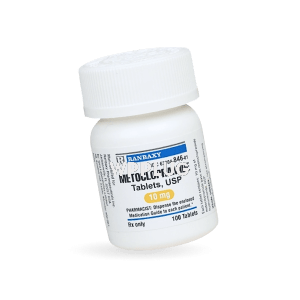
Metoclopramide is a dopamine receptor antagonist and 5-HT4 receptor agonist primarily used as a prokinetic agent to enhance gastrointestinal motility. It’s been a workhorse in clinical practice for decades, particularly for gastroparesis and refractory nausea. I remember first encountering it as a resident—we’d joke it was the “unclog the pipes” drug, but its mechanism is far more elegant than that crude description suggests. Metoclopramide: Effective Relief for Gastroparesis and Nausea - Evidence-Based Review 1.
Compazine, known generically as prochlorperazine, is a phenothiazine derivative primarily utilized as an antiemetic and antipsychotic agent. It functions by blocking dopamine receptors in the chemoreceptor trigger zone and the brain, which helps manage nausea, vomiting, and certain psychiatric conditions. Available in various formulations including tablets, suppositories, and injectable solutions, it has been a staple in clinical settings for decades due to its efficacy and rapid onset of action. 1. Introduction: What is Compazine?
Erythromycin represents one of the foundational macrolide antibiotics in our antimicrobial arsenal, originally isolated from Streptomyces erythreus. This bacteriostatic agent has served as a critical tool against gram-positive organisms and some atypical pathogens since its introduction in 1952. What’s fascinating is how its role has evolved—from first-line therapy to a strategic alternative in penicillin-allergic patients, and now facing challenges with rising resistance patterns. In my infectious disease rotation back in ‘98, we still reached for erythromycin routinely for community-acquired pneumonia, but the landscape has shifted considerably since then.
Fosfomycin is a unique, broad-spectrum bactericidal antibiotic with a distinct chemical structure and mechanism of action that sets it apart from other antimicrobial agents. Originally isolated from strains of Streptomyces bacteria, it has been used clinically for decades, primarily for uncomplicated urinary tract infections (UTIs). Its role has expanded in the era of multidrug-resistant pathogens, where its efficacy against many resistant strains makes it a valuable tool. Fosfomycin works by inhibiting an early step in bacterial cell wall synthesis, specifically the enzyme MurA (UDP-N-acetylglucosamine enolpyruvyl transferase), which is essential for peptidoglycan formation.
Let me walk you through my experience with Motilium over the years - not the polished pharmaceutical brochure version, but what actually happens in clinical practice. I remember first encountering domperidone back in my gastroenterology rotation during residency, when my attending pulled me aside during a particularly challenging gastroparesis case and said, “We’re going to try something different today.” Motilium: Evidence-Based Prokinetic Therapy for Upper GI Motility Disorders - Comprehensive Review
Bromocriptine mesylate, marketed under the brand name Parlodel, represents one of the older dopamine agonists in our neurological and endocrine toolkit. It’s fascinating how this ergot-derived compound has maintained clinical relevance despite newer agents entering the market. The drug’s unique receptor profile—particularly its D2 dopamine receptor agonism with some D1 antagonism—creates a pharmacological signature that still finds specific niches where newer non-ergot derivatives might not suffice. Parlodel: Dopamine Agonist Therapy for Hyperprolactinemia and Parkinson’s Disease - Evidence-Based Review 1.
Phenergan, known generically as promethazine, is a first-generation antihistamine of the phenothiazine class that’s been in clinical use since the 1940s. It’s one of those foundational medications that every clinician encounters - we use it for everything from severe allergic reactions to postoperative nausea, yet it carries complexities that aren’t always apparent from the prescribing guidelines. What’s fascinating about Phenergan is how this old drug continues to reveal new dimensions in clinical practice, particularly around its sedative properties and the delicate balance between therapeutic benefit and adverse effects.
Promethazine hydrochloride is a phenothiazine derivative with potent antihistaminic, antiemetic, and sedative properties, first synthesized in the 1940s and subsequently approved for medical use across numerous countries. It functions primarily as an antagonist at histamine H1 receptors and displays notable activity at muscarinic and alpha-adrenergic receptors, which accounts for its diverse therapeutic applications and side effect profile. Available in oral tablets, syrups, rectal suppositories, and injectable formulations, promethazine remains a versatile agent in managing allergic conditions, nausea/vomiting, and perioperative sedation, though its use requires careful consideration of patient-specific factors due to potential adverse effects.
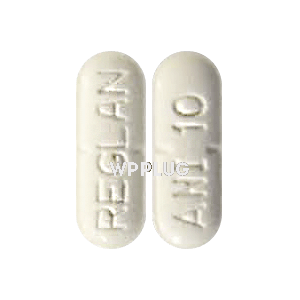
Reglan, known generically as metoclopramide, is a dopamine receptor antagonist and prokinetic agent primarily used to manage gastrointestinal motility disorders and severe nausea/vomiting. Initially developed in the 1960s, it remains a cornerstone in gastroenterology and oncology supportive care, though its use requires careful consideration due to neurological side effect risks. 1. Introduction: What is Reglan? Its Role in Modern Medicine Reglan represents one of the few FDA-approved medications specifically indicated for diabetic gastroparesis, a condition where delayed gastric emptying causes significant digestive symptoms.