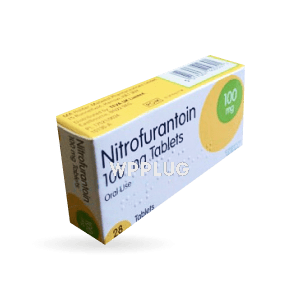
| Product dosage: 100mg | |||
|---|---|---|---|
| Package (num) | Per pill | Price | Buy |
| 100 | $0.69 | $69.12 (0%) | 🛒 Add to cart |
| 200 | $0.59 | $138.24 $117.20 (15%) | 🛒 Add to cart |
| 300 | $0.55 | $207.35 $164.28 (21%) | 🛒 Add to cart |
| 400 | $0.53 | $276.47 $210.36 (24%) | 🛒 Add to cart |
| 500 | $0.51
Best per pill | $345.59 $257.44 (26%) | 🛒 Add to cart |
| 600 | $0.52 | $414.71 $309.53 (25%) | 🛒 Add to cart |
| Product dosage: 50mg | |||
|---|---|---|---|
| Package (num) | Per pill | Price | Buy |
| 100 | $0.58 | $58.10 (0%) | 🛒 Add to cart |
| 200 | $0.49 | $116.20 $97.17 (16%) | 🛒 Add to cart |
| 300 | $0.46 | $174.30 $137.23 (21%) | 🛒 Add to cart |
| 400 | $0.45 | $232.40 $178.30 (23%) | 🛒 Add to cart |
| 500 | $0.44 | $290.49 $218.37 (25%) | 🛒 Add to cart |
| 600 | $0.43
Best per pill | $348.59 $255.43 (27%) | 🛒 Add to cart |
Synonyms
| |||
More info:
nitrofurantoin
Nitrofurantoin represents one of those fascinating antibiotics that’s been around since the 1950s but remains remarkably relevant in our current antimicrobial resistance landscape. It’s a nitrofuran derivative with this unique chemical structure featuring a nitro group that gets reduced by bacterial enzymes to create reactive intermediates that damage bacterial DNA and proteins. What’s particularly interesting is how it maintains this narrow spectrum focused primarily on urinary tract pathogens while broader-spectrum antibiotics keep falling to resistance.
cefadroxil
Cefadroxil represents a fascinating first-generation cephalosporin antibiotic that’s maintained surprising clinical relevance despite newer alternatives. What’s remarkable isn’t just its broad-spectrum coverage against gram-positive organisms, but how its unique pharmacokinetic profile – particularly that extended half-life allowing for less frequent dosing – continues to make it a workhorse in certain infectious disease scenarios. I’ve watched this antibiotic evolve from a frontline option to more of a niche player, yet it still finds its way into my prescribing habits several times monthly.
Cipro: Potent Antibacterial Therapy for Bacterial Infections - Evidence-Based Review
Ciprofloxacin, commonly referred to as Cipro, is a broad-spectrum fluoroquinolone antibiotic that has been a cornerstone in treating bacterial infections since its introduction in the 1980s. It’s available in oral tablets, intravenous formulations, and ophthalmic/otic solutions, targeting everything from urinary tract infections to anthrax exposure. The drug works by inhibiting bacterial DNA gyrase and topoisomerase IV, enzymes critical for DNA replication and transcription. While highly effective, its use requires careful consideration due to potential adverse effects like tendonitis and peripheral neuropathy.
Co-Amoxiclav: Effective Bacterial Infection Treatment - Evidence-Based Review
Co-amoxiclav is a fixed-dose combination antibiotic medication containing amoxicillin trihydrate and clavulanate potassium. It belongs to the penicillin class of antibiotics and is classified as a beta-lactam/beta-lactamase inhibitor combination. The clavulanate component protects amoxicillin from degradation by bacterial beta-lactamase enzymes, significantly expanding its spectrum of activity against beta-lactamase-producing bacteria that would otherwise be resistant to amoxicillin alone. This combination has been a mainstay in clinical practice for decades, particularly valuable for treating mixed infections and those caused by resistant organisms.
Fosfomycin: Effective Treatment for Resistant Infections - Evidence-Based Review
Fosfomycin is a unique, broad-spectrum bactericidal antibiotic with a distinct chemical structure and mechanism of action that sets it apart from other antimicrobial agents. Originally isolated from strains of Streptomyces bacteria, it has been used clinically for decades, primarily for uncomplicated urinary tract infections (UTIs). Its role has expanded in the era of multidrug-resistant pathogens, where its efficacy against many resistant strains makes it a valuable tool. Fosfomycin works by inhibiting an early step in bacterial cell wall synthesis, specifically the enzyme MurA (UDP-N-acetylglucosamine enolpyruvyl transferase), which is essential for peptidoglycan formation.
pyridium
Pyridium (phenazopyridine hydrochloride) is a urinary tract analgesic medication used specifically for symptomatic relief of pain, burning, urgency, frequency, and other discomforts arising from irritation of the lower urinary tract mucosa. It’s crucial to understand this isn’t an antibiotic or antimicrobial agent; it doesn’t treat the underlying infection, just masks the symptoms while definitive treatment works. The drug is typically administered orally in tablet form and is excreted renally, where it exerts its local analgesic effect directly on the urinary tract lining.
a ret gel
Product Description: A Ret Gel represents a significant advancement in topical retinoid therapy, combining stabilized tretinoin with enhanced penetration technology. This medical-grade formulation addresses the fundamental challenge of retinoid instability while maximizing bioavailability. The gel matrix creates a controlled-release environment that maintains tretinoin’s molecular integrity while minimizing the irritation commonly associated with traditional retinoid formulations. What sets this apart isn’t just the active ingredient—it’s the delivery system that makes the difference in clinical outcomes.
abana
Product Description: Abana represents one of those interesting formulations that bridges traditional Ayurvedic wisdom with modern cardiovascular science. I first encountered it during my cardiology fellowship when our department was exploring integrative approaches to lipid management. The formula combines herbs like Terminalia arjuna, Withania somnifera, and Ocimum sanctum with minerals in a specific preparation that’s been used for decades, though Western literature has been slow to catch up. ## 1. Introduction: What is Abana?
abhigra
Product Description Abhigra represents a novel class of phytopharmaceutical-grade dietary supplements derived from a standardized extract of Boswellia serrata, specifically optimized for enhanced bioavailability. Unlike conventional boswellia supplements, Abhigra utilizes a proprietary lipid-based delivery system that significantly increases the absorption of the active boswellic acids, particularly AKBA (3-O-acetyl-11-keto-β-boswellic acid). The formulation was developed through a collaboration between rheumatologists and pharmacognosy experts who recognized the limitations of existing anti-inflammatory supplements. We kept hitting the same wall with patients - they’d take standard boswellia products but achieve negligible serum levels.