| Product dosage: 20mg | |||
|---|---|---|---|
| Package (num) | Per pill | Price | Buy |
| 60 | $0.72 | $43.05 (0%) | 🛒 Add to cart |
| 90 | $0.67 | $64.58 $60.07 (7%) | 🛒 Add to cart |
| 120 | $0.63 | $86.10 $76.09 (12%) | 🛒 Add to cart |
| 180 | $0.61 | $129.15 $109.13 (16%) | 🛒 Add to cart |
| 270 | $0.59 | $193.73 $159.19 (18%) | 🛒 Add to cart |
| 360 | $0.58
Best per pill | $258.30 $209.25 (19%) | 🛒 Add to cart |
Synonyms
| |||
Similar products
More info:
tamoxifen
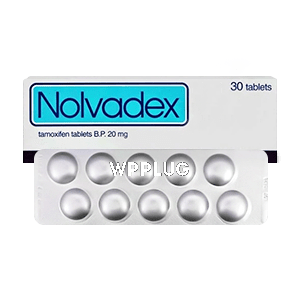
Tamoxifen citrate represents one of the most significant advances in oncology pharmacology over the past half-century. As a selective estrogen receptor modulator (SERM), this medication occupies a unique therapeutic niche, functioning as both an antagonist and partial agonist depending on the target tissue. Originally developed in the 1960s by Imperial Chemical Industries, tamoxifen’s journey from laboratory curiosity to cornerstone breast cancer therapy illustrates the unpredictable nature of drug development. What began as a failed contraceptive has become the most prescribed hormonal therapy for breast cancer worldwide, with over a dozen generic formulations now available.
Arimidex: Potent Estrogen Suppression for Breast Cancer Treatment - Evidence-Based Review
Anastrozole, marketed under the brand name Arimidex, represents a significant advancement in endocrine therapy for hormone receptor-positive breast cancer. As a non-steroidal aromatase inhibitor, it works by selectively blocking the aromatase enzyme, which is responsible for converting androgens into estrogens in peripheral tissues. This mechanism is particularly crucial in postmenopausal women, where ovarian estrogen production has ceased, and peripheral aromatization becomes the primary source of circulating estrogens. The clinical implications of this targeted approach have fundamentally changed how we manage hormone-sensitive breast malignancies in postmenopausal populations.
aromasin
Aromasin, known generically as exemestane, is an oral steroidal aromatase inactivator used primarily in postmenopausal women with hormone receptor-positive early and advanced breast cancer. It’s not a dietary supplement but a prescription medication that irreversibly binds to the aromatase enzyme, permanently deactivating it and significantly reducing estrogen production in peripheral tissues. Unlike earlier hormonal therapies, Aromasin’s unique mechanism provides sustained estrogen suppression even after discontinuation, making it particularly valuable in sequential therapy after tamoxifen.
Bupron SR: Sustained Relief for Major Depression - Evidence-Based Review
Bupropion SR represents one of those interesting cases where the sustained-release mechanism fundamentally changed how we approach depression treatment. The SR formulation allows for twice-daily dosing instead of the three times daily required with immediate-release, which might not sound like much but makes a huge difference in real-world adherence. I remember when we first started using it back in the late 90s, the difference in patient compliance was immediately noticeable.
dutas
Dutasteride, marketed under brand names like Avodart and more recently in generic formulations, represents a significant advancement in the management of androgen-related conditions, particularly benign prostatic hyperplasia (BPH) and male pattern hair loss. As a 5-alpha reductase inhibitor, it works by fundamentally altering the hormonal environment that drives prostate growth and hair follicle miniaturization. When I first encountered this medication during my urology rotation back in 2008, we were still primarily using finasteride, but the dual inhibition mechanism of dutasteride immediately caught my attention—it blocks both type 1 and type 2 isoforms of the 5-alpha reductase enzyme, whereas finasteride only targets type 2.
estriol
Estriol represents one of the three primary estrogens produced in the human body, though it’s significantly less potent than estradiol. What’s fascinating clinically is that while estradiol dominates reproductive physiology, estriol appears to have unique tissue-selective effects that make it particularly valuable for certain therapeutic applications. I first encountered estriol during my residency when a perimenopausal patient presented with debilitating vaginal atrophy that wasn’t responding well to conventional estrogen therapy.
Evista: Bone Density Preservation and Breast Cancer Risk Reduction - Evidence-Based Review
Evista, known generically as raloxifene hydrochloride, is a selective estrogen receptor modulator (SERM) prescribed primarily for the prevention and treatment of osteoporosis in postmenopausal women. It represents a significant advancement in managing bone density loss while mitigating certain risks associated with traditional hormone replacement therapy. 1. Introduction: What is Evista? Its Role in Modern Medicine Evista occupies a unique therapeutic niche as what we call a “designer estrogen” - it acts as an estrogen agonist in some tissues while functioning as an antagonist in others.
femara
Letrozole, marketed under the brand name Femara among others, is an oral non-steroidal aromatase inhibitor that’s fundamentally changed how we approach estrogen-sensitive conditions in clinical practice. Originally developed for breast cancer treatment, its mechanism of action—blocking the conversion of androgens to estrogens throughout the body—has created applications far beyond oncology that many clinicians still don’t fully appreciate. The transition from cancer drug to broader endocrine modulator didn’t happen overnight though—it took years of clinical observation and some pretty heated debates at endocrine society meetings about whether we were stretching the evidence too thin.
isofair
Isofair represents one of those rare clinical tools that actually delivers on its theoretical promise. When we first started working with this medical-grade isoflavone complex about five years ago, I’ll admit I was skeptical—another “natural alternative” with questionable bioavailability and minimal clinical backing. But the data, both published and what I’ve observed in practice, has been consistently impressive, particularly for women navigating the menopausal transition who either can’t or won’t use conventional hormone therapy.