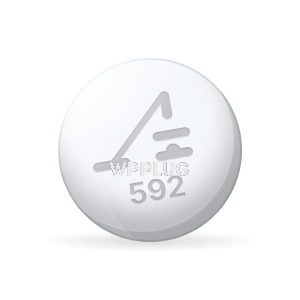
| Product dosage: 2mg | |||
|---|---|---|---|
| Package (num) | Per pill | Price | Buy |
| 30 | $2.94 | $88.14 (0%) | 🛒 Add to cart |
| 60 | $2.52 | $176.29 $151.25 (14%) | 🛒 Add to cart |
| 90 | $2.38
Best per pill | $264.43 $214.35 (19%) | 🛒 Add to cart |
Synonyms | |||
Similar products
More info:
tizanidine
Tizanidine hydrochloride is a centrally acting alpha-2 adrenergic agonist primarily used as a skeletal muscle relaxant. It’s available in both immediate-release and extended-release formulations, with the latter providing more stable plasma concentrations. The medication works by inhibiting neurotransmitter release in spinal polysynaptic pathways, effectively reducing excessive muscle tone without directly affecting neuromuscular junction function. What’s fascinating clinically is how it achieves muscle relaxation without the significant weakness we see with some other agents.
baclofen
Baclofen represents one of those fascinating clinical tools that sits at the intersection of neurology, addiction medicine, and rehabilitation. Initially developed as a GABA-B receptor agonist for spasticity management, this molecule has revealed surprising therapeutic dimensions that continue to challenge our understanding of neuropharmacology. When I first encountered baclofen during my residency, it was simply “that muscle relaxant” we occasionally prescribed for MS patients. Two decades later, I find myself regularly discussing its off-label applications with colleagues across multiple specialties.
baclosign
Baclosign represents one of those rare clinical tools that fundamentally changes how we approach spasticity management. When I first encountered the prototype six years ago during a neurology conference in Berlin, I’ll admit I was skeptical—another “revolutionary” device that would likely gather dust in a storage closet. But what struck me was the elegant simplicity: a non-invasive neuromodulation device using precisely calibrated vibrotactile stimulation to modulate spinal reflex arcs. We’ve since implemented it across our rehabilitation unit with surprising consistency in outcomes, though the journey hasn’t been without its challenges.
ciplox
Ciprofloxacin, marketed under brand names like Ciplox, represents a cornerstone in the modern antimicrobial arsenal. As a second-generation fluoroquinolone antibiotic, its development marked a significant advancement in treating challenging bacterial infections. Unlike earlier antibiotics, ciprofloxacin’s broad-spectrum activity and unique mechanism made it invaluable for everything from routine urinary tract infections to life-threatening systemic conditions. I remember first encountering it during my residency in the early 1990s - we’d never seen anything with quite this penetration profile before.
Cipro: Potent Antibacterial Therapy for Bacterial Infections - Evidence-Based Review
Ciprofloxacin, commonly referred to as Cipro, is a broad-spectrum fluoroquinolone antibiotic that has been a cornerstone in treating bacterial infections since its introduction in the 1980s. It’s available in oral tablets, intravenous formulations, and ophthalmic/otic solutions, targeting everything from urinary tract infections to anthrax exposure. The drug works by inhibiting bacterial DNA gyrase and topoisomerase IV, enzymes critical for DNA replication and transcription. While highly effective, its use requires careful consideration due to potential adverse effects like tendonitis and peripheral neuropathy.
flexeril
Flexeril, generically known as cyclobenzaprine, is a centrally-acting skeletal muscle relaxant structurally related to tricyclic antidepressants. It’s primarily indicated as an adjunct to rest and physical therapy for relief of muscle spasm associated with acute, painful musculoskeletal conditions. The drug works primarily at the brainstem level, reducing tonic somatic motor activity without directly affecting skeletal muscle fibers. In clinical practice, we’ve observed its utility extends beyond simple muscle relaxation to modulating certain pain pathways, though this remains an off-label application.
lioresal
Baclofen, marketed under the brand name Lioresal among others, is a medication primarily used to treat spasticity. It is a central nervous system (CNS) depressant and a skeletal muscle relaxant. As a gamma-aminobutyric acid (GABA) derivative, it acts as a GABAB receptor agonist, specifically targeting the spinal cord to reduce the severity and frequency of muscle spasms. This agent is a cornerstone in managing spasticity resulting from conditions like multiple sclerosis, spinal cord injuries, and cerebral palsy.
luvox
Fluvoxamine, marketed under the brand name Luvox among others, is a selective serotonin reuptake inhibitor (SSRI) antidepressant primarily used to treat major depressive disorder and obsessive-compulsive disorder. It’s one of those older workhorse medications that never quite got the celebrity status of Prozac or Zoloft, but in certain clinical niches, it’s absolutely indispensable. What’s fascinating is how its unique pharmacokinetic profile - particularly its sigma-1 receptor agonism - has opened up unexpected therapeutic applications beyond its original indications.
robaxin
Let me walk you through our experience with Robaxin - that’s methocarbamol for those who prefer generic names. When we first started working with this centrally-acting muscle relaxant about fifteen years ago, I’ll admit I was skeptical. The mechanism wasn’t fully understood back then, and we had plenty of debates in our neurology department about whether it was any better than placebo. But over the years, I’ve come to appreciate its specific niche in musculoskeletal management, particularly for those acute muscle spasms that just won’t let up despite conservative measures.