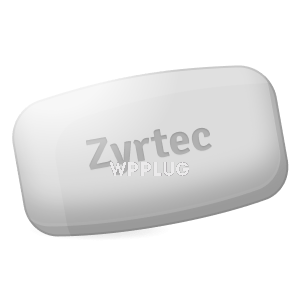
Zyrtec, known generically as cetirizine hydrochloride, represents a significant advancement in second-generation H1-antihistamine therapy. As a selective histamine H1-receptor antagonist, it’s structurally derived from hydroxyzine but with markedly reduced sedative properties due to its limited ability to cross the blood-brain barrier. The development actually stemmed from research into piperazine derivatives at UCB Pharma in the 1980s - interesting how these structural modifications created such a differentiated clinical profile. The transition from first-generation sedating antihistamines to these newer agents fundamentally changed allergy management.
Fexofenadine hydrochloride, commonly known by its brand name Allegra, represents a significant advancement in second-generation antihistamine therapy. Unlike first-generation options that frequently caused sedation due to their ability to cross the blood-brain barrier, Allegra was specifically engineered to provide non-sedating relief from allergic rhinitis and chronic idiopathic urticaria. Its development marked a pivotal shift toward antihistamines that could effectively manage histamine-mediated symptoms without compromising cognitive function or daily activities—something we desperately needed in clinical practice.
Loratadine, commonly recognized by its brand name Claritin, represents a significant advancement in the management of allergic conditions. As a second-generation antihistamine, this medication has transformed how we approach seasonal and perennial allergies with its non-sedating properties and once-daily dosing convenience. The development of selective peripheral H1-receptor antagonists like loratadine marked a pivotal moment in allergy therapeutics, offering patients effective symptom relief without the cognitive impairment that plagued first-generation agents.
Product Description: A Ret Gel represents a significant advancement in topical retinoid therapy, combining stabilized tretinoin with enhanced penetration technology. This medical-grade formulation addresses the fundamental challenge of retinoid instability while maximizing bioavailability. The gel matrix creates a controlled-release environment that maintains tretinoin’s molecular integrity while minimizing the irritation commonly associated with traditional retinoid formulations. What sets this apart isn’t just the active ingredient—it’s the delivery system that makes the difference in clinical outcomes.
Product Description: Abana represents one of those interesting formulations that bridges traditional Ayurvedic wisdom with modern cardiovascular science. I first encountered it during my cardiology fellowship when our department was exploring integrative approaches to lipid management. The formula combines herbs like Terminalia arjuna, Withania somnifera, and Ocimum sanctum with minerals in a specific preparation that’s been used for decades, though Western literature has been slow to catch up. ## 1. Introduction: What is Abana?
Product Description Abhigra represents a novel class of phytopharmaceutical-grade dietary supplements derived from a standardized extract of Boswellia serrata, specifically optimized for enhanced bioavailability. Unlike conventional boswellia supplements, Abhigra utilizes a proprietary lipid-based delivery system that significantly increases the absorption of the active boswellic acids, particularly AKBA (3-O-acetyl-11-keto-β-boswellic acid). The formulation was developed through a collaboration between rheumatologists and pharmacognosy experts who recognized the limitations of existing anti-inflammatory supplements. We kept hitting the same wall with patients - they’d take standard boswellia products but achieve negligible serum levels.
Aripiprazole, marketed under the brand name Abilify, represents a significant advancement in the atypical antipsychotic class with its unique pharmacodynamic profile. This second-generation antipsychotic functions as a partial dopamine D2 and serotonin 5-HT1A receptor agonist while simultaneously acting as a 5-HT2A receptor antagonist. The clinical implications of this mechanism are profound, offering stabilization of dopamine neurotransmission rather than complete blockade, which translates to improved tolerability regarding extrapyramidal symptoms and prolactin elevation compared to conventional antipsychotics.
Product Description Acamprol is an orally administered dietary supplement specifically formulated to support neurological health and cognitive function. It falls into the category of medical foods or nutraceuticals designed to provide targeted nutritional support for conditions involving neurotransmitter imbalance and neuronal excitability. The product is typically available in delayed-release tablet form, intended to ensure optimal absorption in the gastrointestinal tract. Its development was driven by the growing need for non-pharmaceutical interventions in managing functional neurological symptoms, particularly in cases where conventional medications are contraindicated or poorly tolerated.
Product Description Accufine represents a significant advancement in non-invasive blood glucose monitoring technology. This Class II medical device utilizes a proprietary multi-sensor array with advanced photoplethysmography and impedance spectroscopy to provide continuous glucose readings without fingerstick calibration. The system consists of a discreet wearable sensor that transmits data to a dedicated mobile application, allowing patients and clinicians to track glycemic patterns in real-time. What sets Accufine apart isn’t just the technology itself, but how we arrived at this particular configuration - a journey marked by both breakthroughs and considerable setbacks that nearly derailed the project entirely.